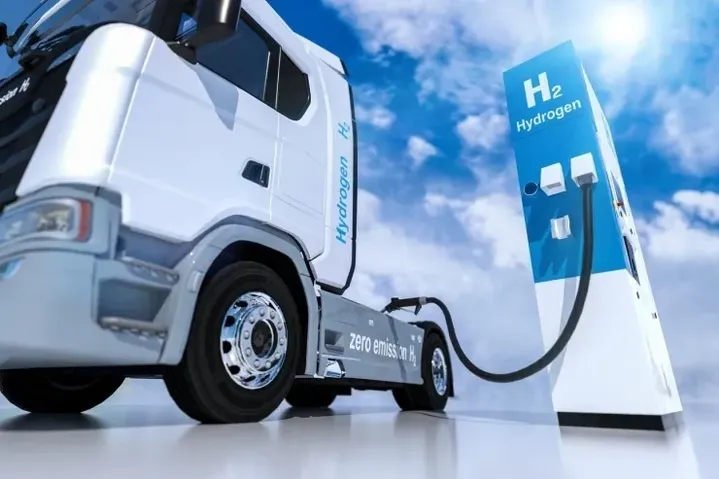
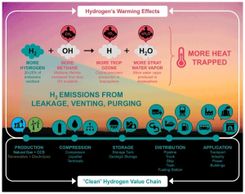
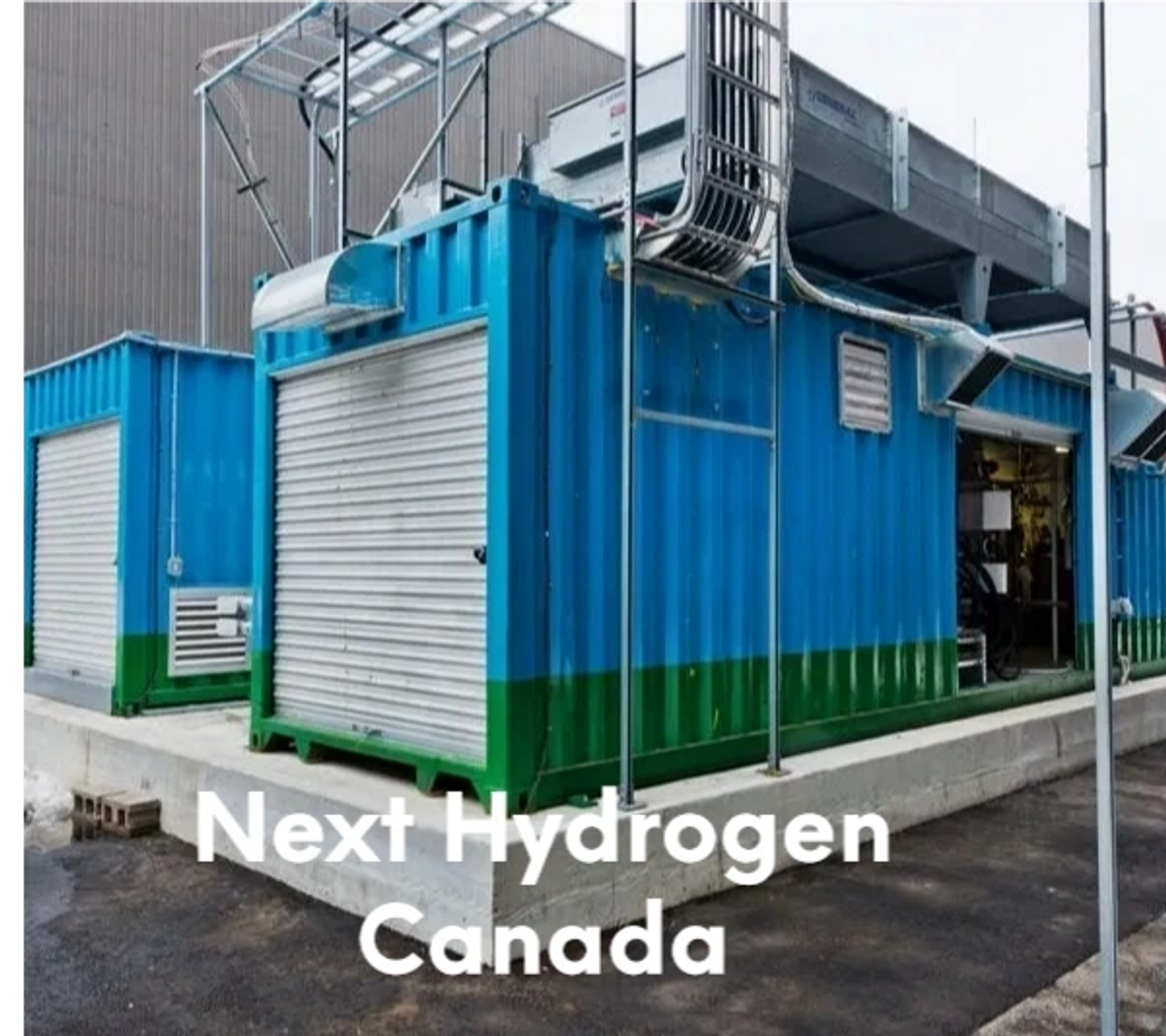
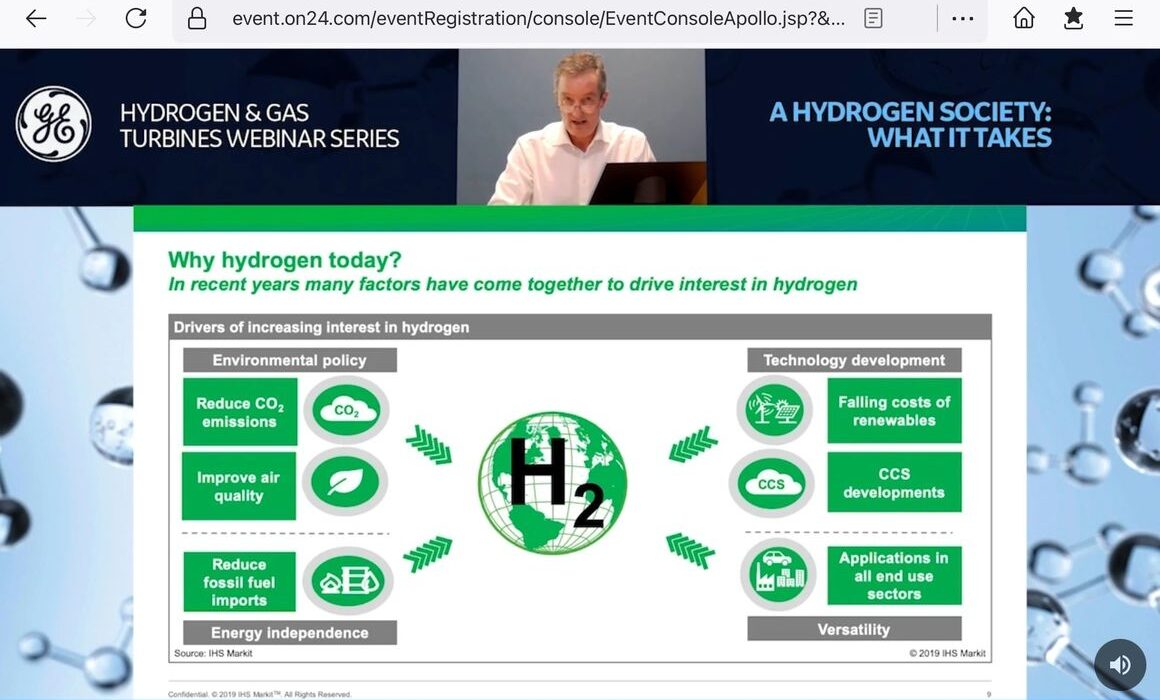
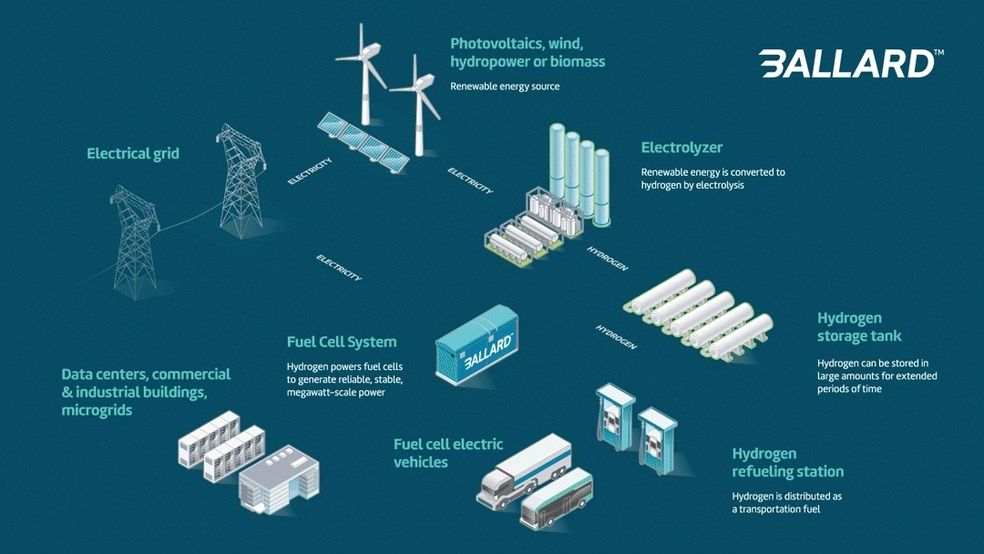
H2 and H20: The production of hydrogen can be derived from various domestic resources offering near-zero greenhouse gas emissions. Once produced, hydrogen generates electrical power in a fuel cell, and can also be combusted like natural gas but emitting only water vapor and warm air. Revolutionizing both stationary and transportation energy sectors with green hydrogen is not only simple and possible, but earth saving and timely.
BASIC SUMMARY
Columbia Climate School has done an excellent job of detailing some of the following points, some of which are direct quotes from their site.
What Is Green Hydrogen
Green hydrogen is a superior strain of hydrogen fuel production that is created using renewable energy and water instead of fossil fuels. It has the potential to provide clean power for manufacturing, transportation, and more — and its only byproduct is water.
Why the Push for Green Hydrogen (and Less Blue or Grey)?
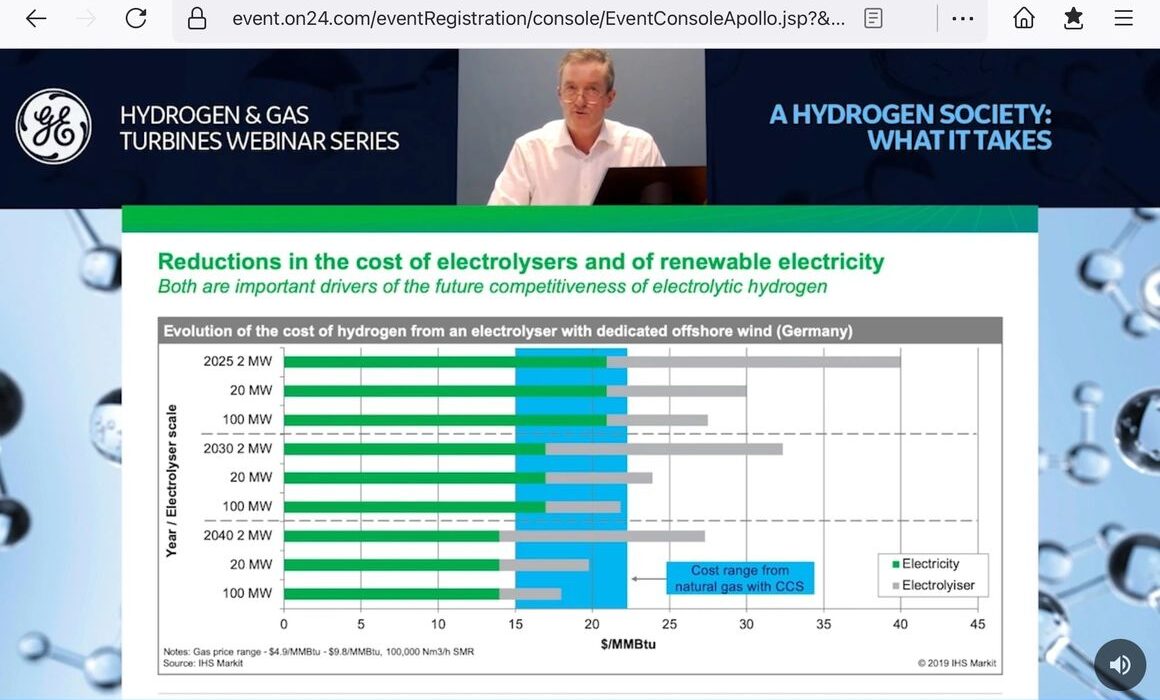
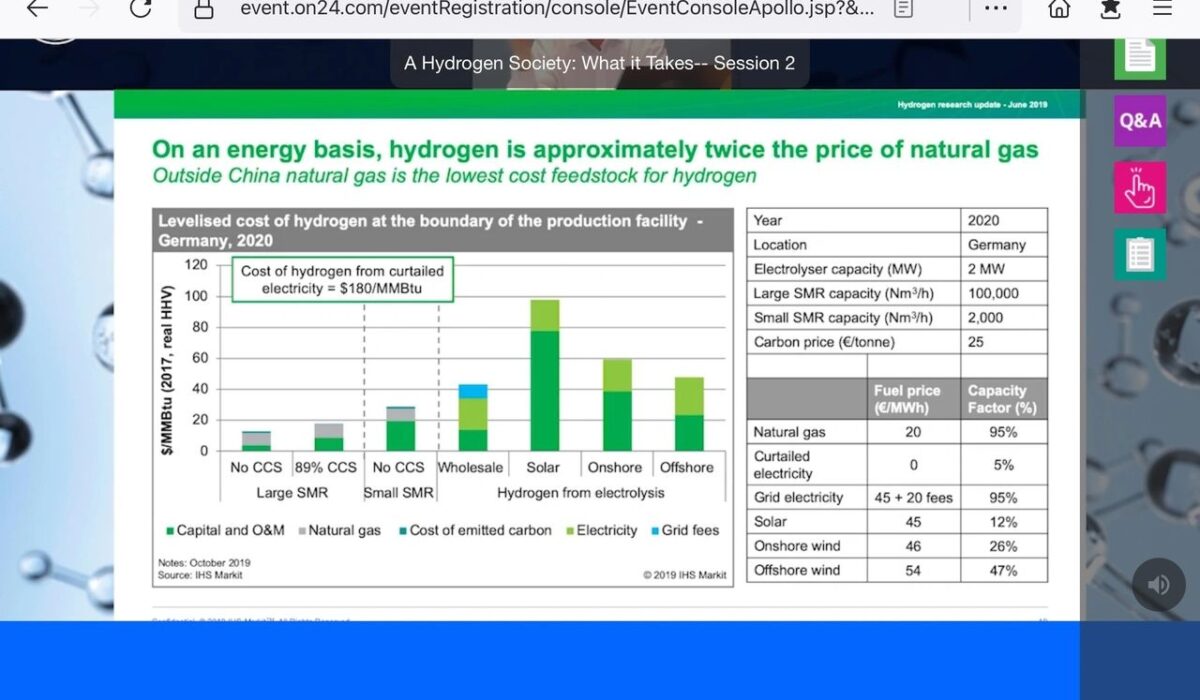
Unlike green hydrogen which is 100% environmentally safe, blue hydrogen is a product of steam-reforming methane (i.e. natural gas). blue and grey hydrogen are a temporary solution for making cheap hydrogen for now. However, if making grey hydrogen then capturing the CO2 and stored, then this is called blue hydrogen. This cost more than grey hydrogen as there is added cost to capturing and storing the CO2.
Because blue and grey hydrogen come from hydrocarbon fuels (i.e. natural gas) this method is not sustainable. If we are concerned about emitting CO2 in the atmosphere then grey hydrogen production is not an environmentally safe way of producing hydrogen.
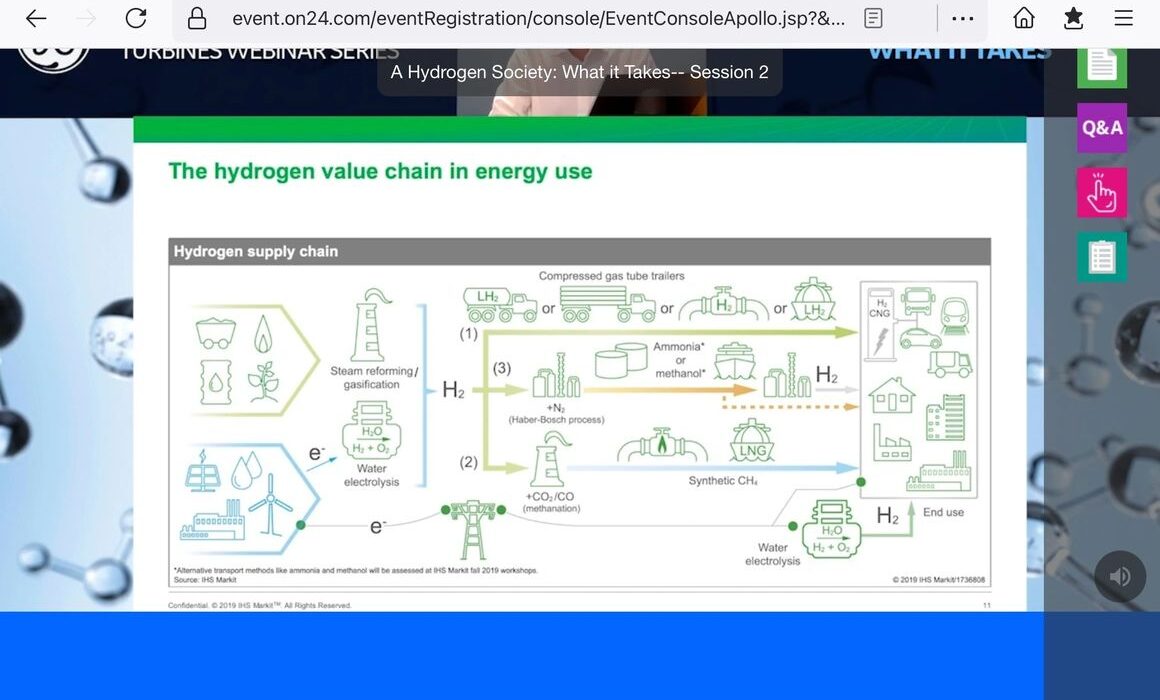
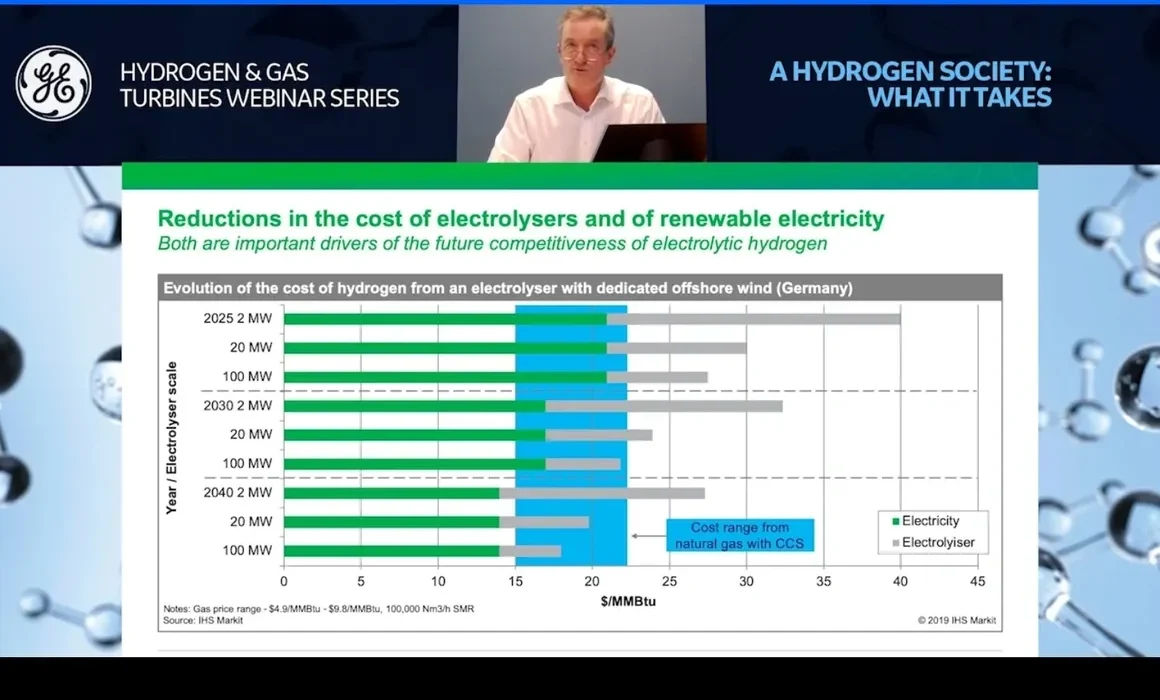
Green hydrogen can be produced through the electrolysis of water, leaving nothing but oxygen as a byproduct. Electrolysis employs an electric current to split water into hydrogen and oxygen in an electrolyzer. If the electricity is produced by renewable power, such as solar or wind, the resulting pollutant-free hydrogen is called green hydrogen. The rapidly declining cost of renewable energy is one reason for the growing interest in green hydrogen.
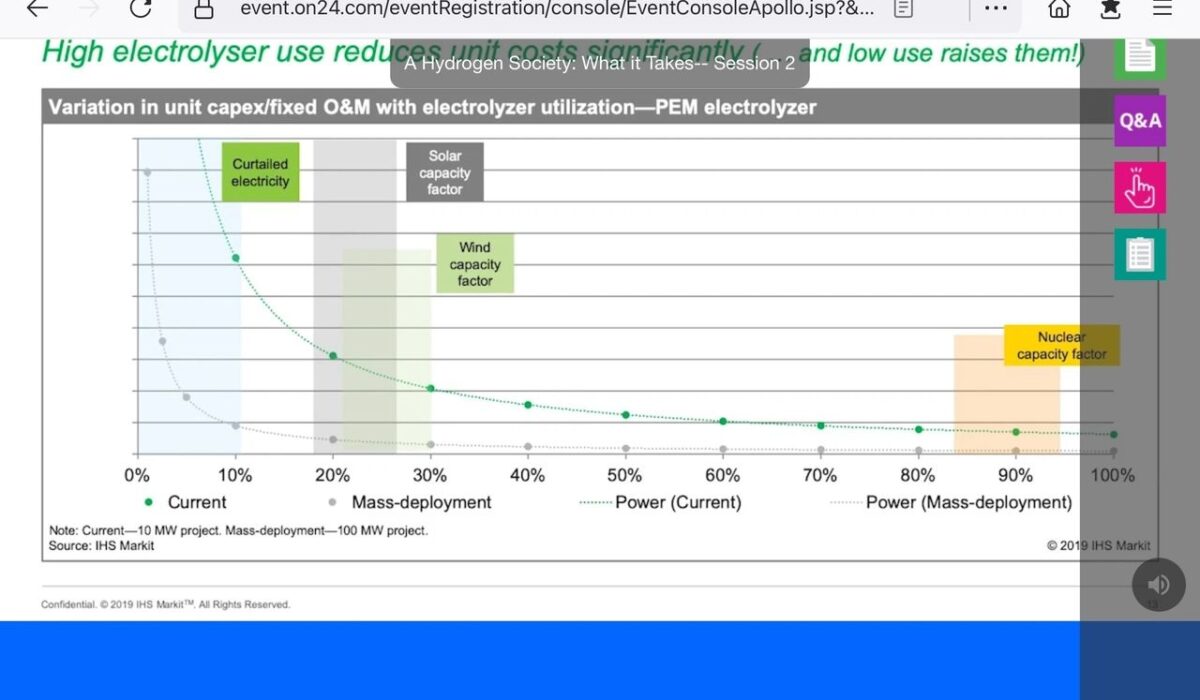
While green hydrogen is currently more expensive to produce than its blue and grey counterparts, green hydrogen is the only answer to full environmentally safe energy dependency because it’s the only option that when used, instantly returns to a ZERO EMISSION and pure H20 state.
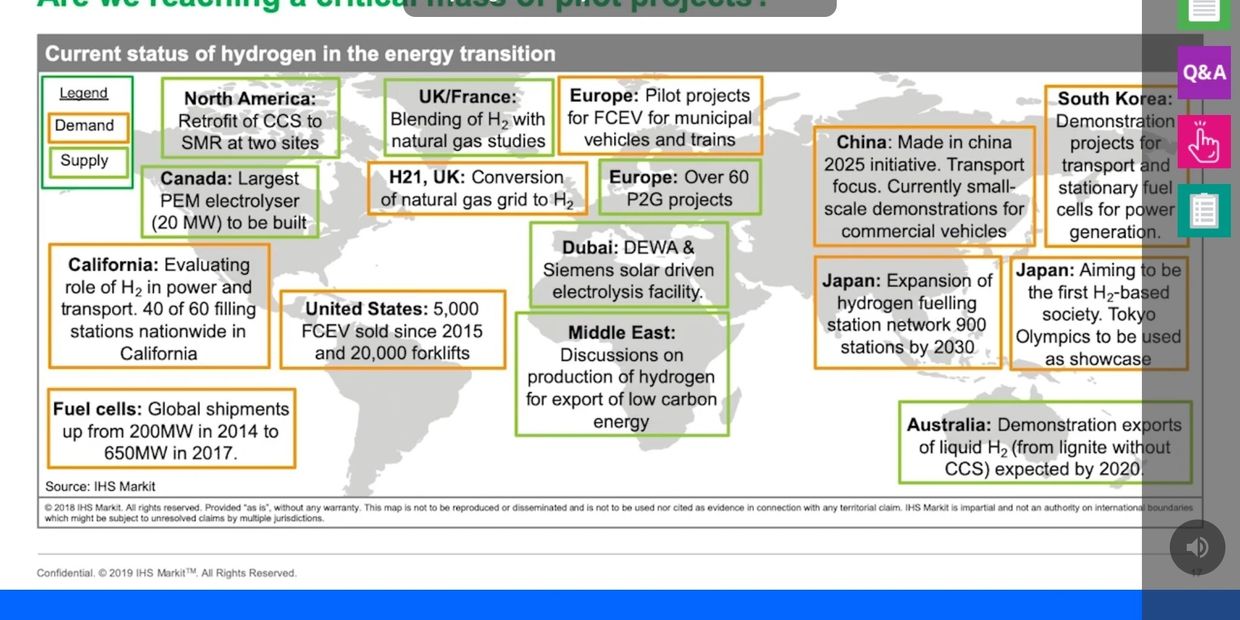
Where Is Hydrogen Currently Being Used?
China: currently the largest producer of hydrogen in the world and has committed to hydrogen in its long-term plan
Australia: has embarked on Australia’s first large-scale green hydrogen/renewable ammonia plant producing green ammonia (a hydrogen carrier) for shipment to Japan
Japan: currently converting all their industrial processes from nuclear to hydrogen in their 30-year plan and will be supplying hydrogen shipped from Australia to Palau
**England: has **5 green hydrogen projects and is exceeding its initial target of 15 blue hydrogen projects
**Chile: **has 5 hydrogen projects and is vying to become one of the world’s top-three exporters of green hydrogen by 2040
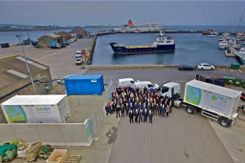
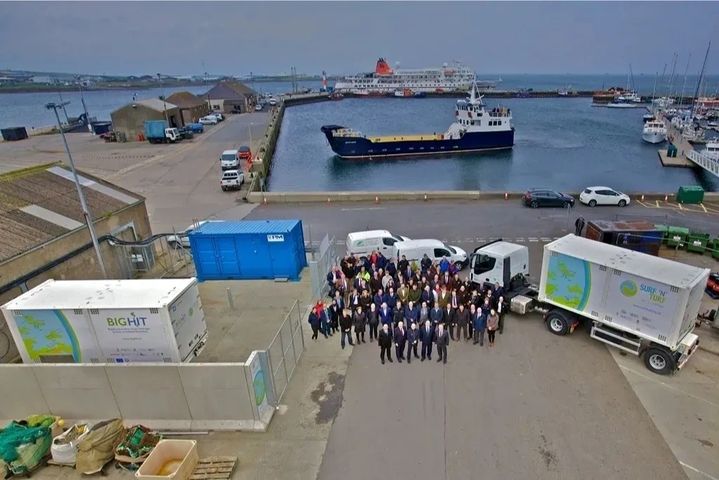
Orkney, Scotland: a pioneer and world leader on hydrogen power has been producing and using Hydrogen since 2018 with global significance
**Germany and Europe **has hundreds of hydrogen fueling stations for cars and trucks.
Link: https://h2.live/en/
**California: **has 68 fueling stations for cars and has had hydrogen fuel cell busses for the past 20 years.
How Can It Be Used?
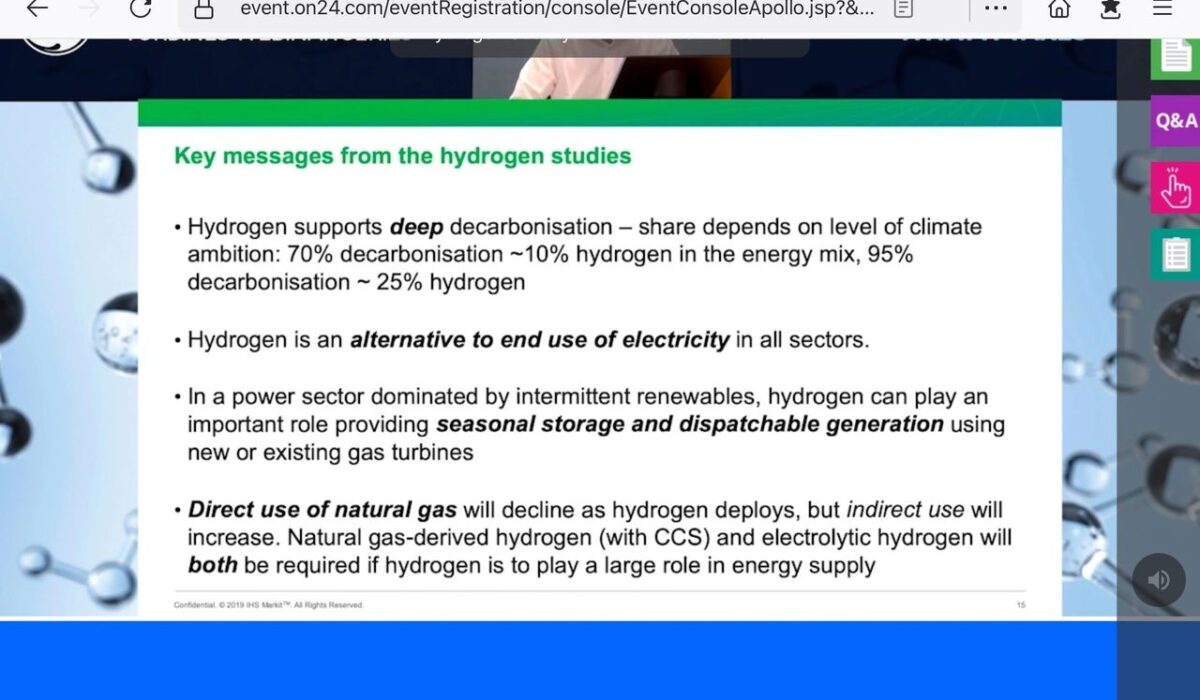
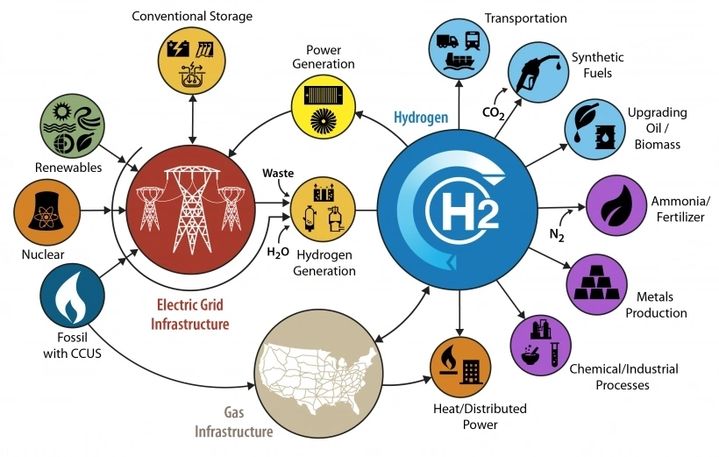
Because everything we do requires energy, everywhere energy is needed is where green hydrogen can be utilized. Everything from transportation (cars, aviation, shipping, long-distance trucking) to home energy to concrete and steel manufacturing. And in a world where current forms of energy dependency are being depleted as they add to greenhouse gas emissions, hydrogen is abundant, and its supply is virtually limitless. It can be used where it is produced or transported elsewhere. Unlike batteries that are unable to store large quantities of electricity for extended periods of time (and also require lithium and cobalt that requires supporting politically volatile communities and/or the exploitation of human life), hydrogen can be produced from excess renewable energy and stored in large amounts for a long time. Pound for pound, hydrogen contains almost three times as much energy as fossil fuels, so less of it is needed to do any work. And a particular advantage of green hydrogen is that it can be produced wherever there is water and electricity to generate more electricity or heat.
Who’s Leading the Hydrogen Movement – And Who Should Be?
Toyota Mari
Hyundai, Nexo
Dimler/Mercedes
Mercedes is committed to making HFC trucks and there are others here in Canada and the US that already have these trucks on the road.
See link.
https://insideevs.com/news/521331/mercedes-worth-electric-fuelcell-trucks/
Hydra Energy
https://www.hydraenergy.com/
Canadian Tire Warehouse in Bolton, Ontario Even the Big 5 Gas Companies who are lobbying congress to support Hydrogen (BP, Shell, Duke Energy, Chevron, Mobile Exxon)
Anyone calling themselves an oil company or energy producer should be transitioning to green hydrogen now. “Oil companies” can rebrand themselves from dirty and polluting to earth-saving, environmentally preserving “energy production companies.”
When Should We Be Transitioning to It?
With time running out, the plans for the transition to green hydrogen production should be treated as urgent. Right now countries around the world such as The UK, Germany, China, Australia, Japan, India and Spain have already begun implementing green hydrogen or are phasing green hydrogen into their plans for 2025, 2030 and beyond. While isolated parts of private industry in the US and Canada have transitioning to green hydrogen, state, provincial and federal levels of North American government are trailing behind in their grasp and application of the green hydrogen movement. Canada and the US need only look at other global leaders for inspiration.